
The Case for Impractical Cookware
Splurge with all your heart on strange contraptions - you won't regret it.

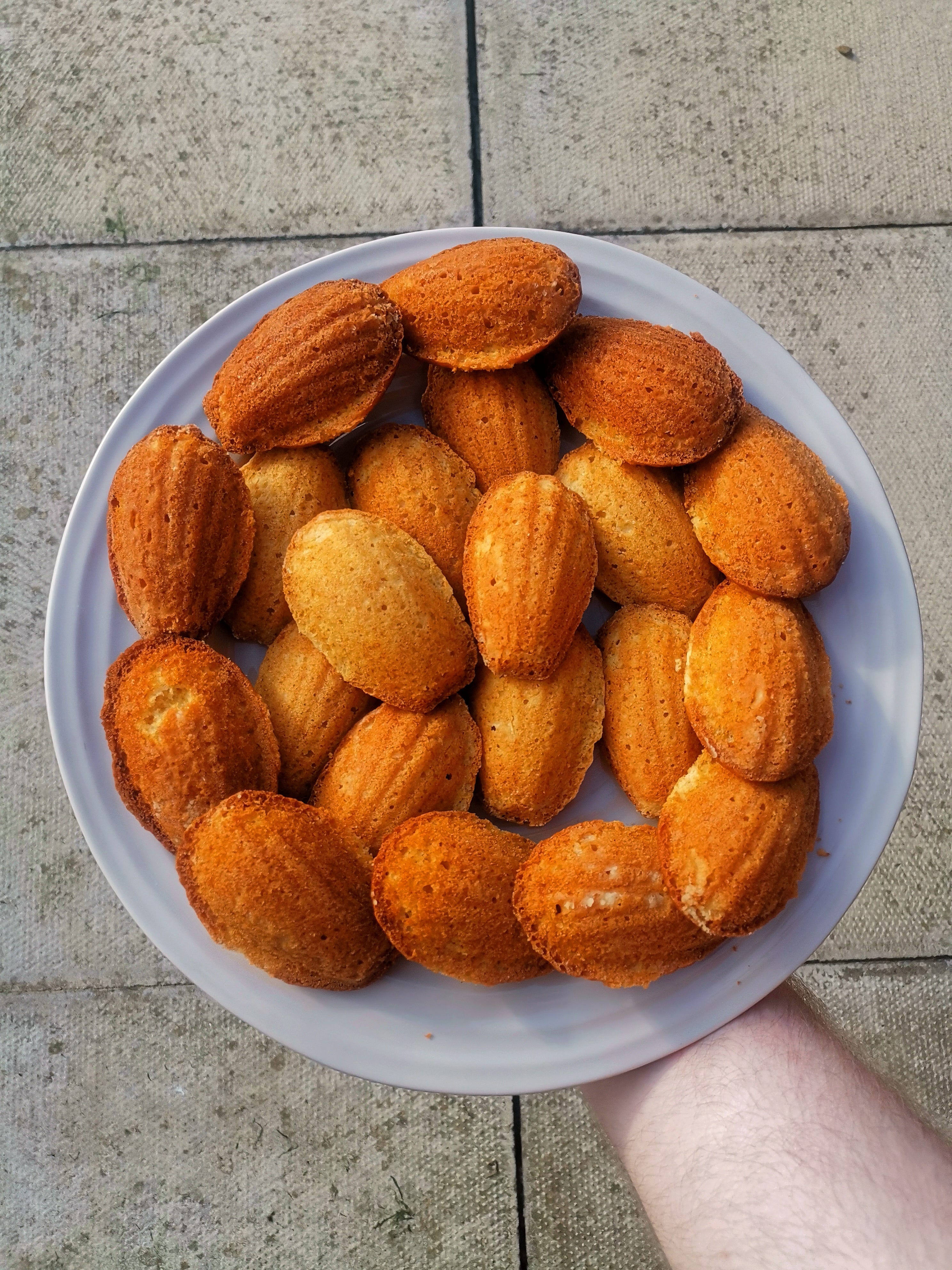
A couple of weeks ago, in the middle of February, my mum celebrated her sixty-seventh birthday, and, being the sort of person who regards any family gathering as an irresistible prompt to orchestrate an enthusiastic display of culinary competence, I took it upon myself to provide a table groaning agreeably with finger sandwiches and sweet treats intended to lubricate the festivities.
It will surprise absolutely nobody who knows me that one of the first things I resolved to bake was a batch of madeleines, those small, scallop-shaped French cakes that I deploy on almost every occasion when something sweet is warranted.
This time I made two varieties - one perfumed with lemon and thyme, the other with orange and cardamom - yet as I slid the trays from the oven and admired their pale golden shells, I found myself reflecting on where my affection for these modest little cakes began in the first place.
Part of the attraction, I admit, lies in the faintly literary glamour that clings to them. The madeleine carries with it the ghost of Marcel Proust and that famously sentimental moment in In Search of Lost Time when the taste of the cake dipped into tea unlocks a flood of involuntary memory. And while I would never pretend that my own baking is motivated by such profound philosophical meditations, the intellectual snob in me does rather enjoy the notion that a plateful of tea cakes might gesture, however playfully, toward the rarefied territory of French literary modernism.
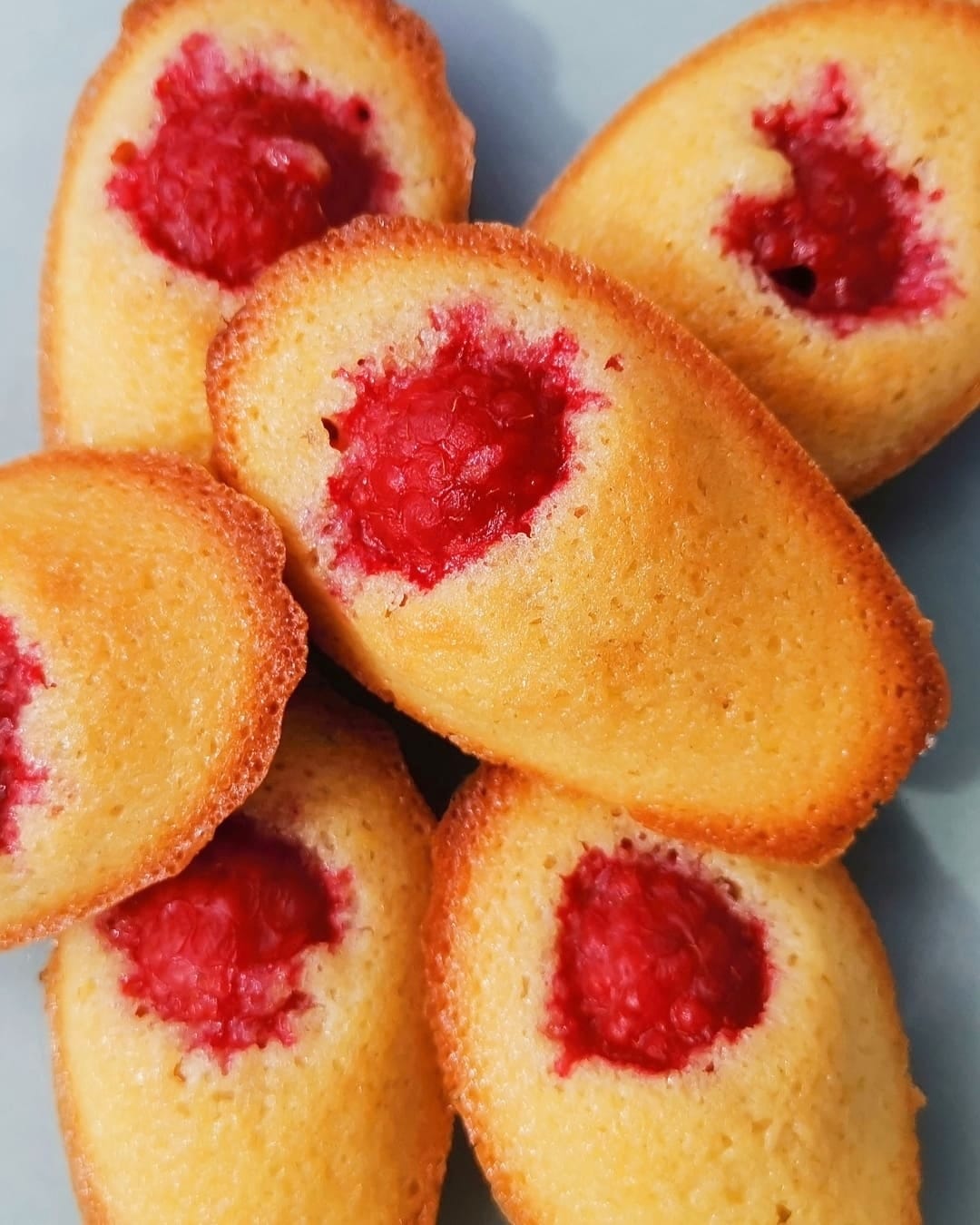
Yet the madeleine’s appeal is not merely conceptual, for it is also a quietly beautiful object. It is a sponge cake moulded into the delicate scallop shape of its tin, its ridges neat and faintly architectural, and made even more handsome when lightly dusted with icing sugar so that the crenulations appear all the more crisply articulated.
The pleasure continues when one eats them. A properly baked madeleine offers a faint crust at the edges and, most charming of all, the characteristic hump that forms on the back of the cake - a small geological curiosity that bakers greet with disproportionate pride - before yielding to an interior that is light, pillowy, and delicately aerated, its flavour rich with butter and gently scented with vanilla.
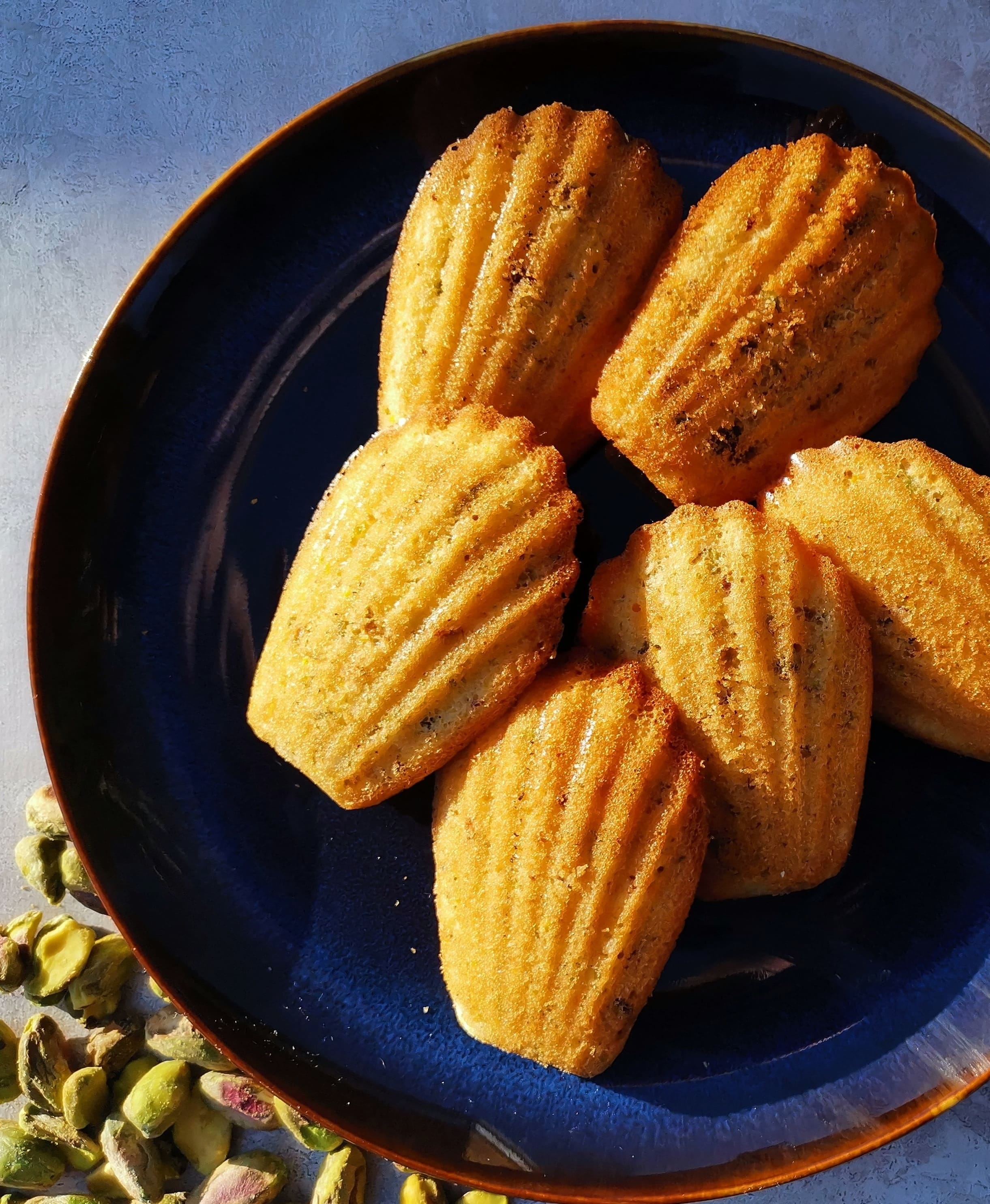
They are, in other words, the sort of cakes that manage to feel both elegant and faintly indulgent at the same time, an agreeable marriage of refinement and comfort.
Yet my attachment to the madeleine also owes something to a more practical and slightly ridiculous factor: the madeleine tin itself, which represents perhaps the purest example of the cookware splurge.
A madeleine tin is not a piece of equipment that any kitchen truly requires. It is a long, slightly cumbersome slab of metal punctuated by a dozen scallop-shaped indentations, and because of that shape, it is an absolute nuisance to store. It is specialised, awkward, and rarely used, and yet once you own one, it becomes strangely indispensable.
I acquired mine many years ago during my first year at Cambridge, when a dangerous combination of blind culinary confidence and the exhilarating arrival of student-loan money buoyed me. Wandering through the gleaming aisles of John Lewis in the city’s Grand Arcade, I became convinced that the dinner party I planned to host for a group of newly acquainted friends absolutely required madeleines to be served with coffee at the end of the meal.
In my imagination, the evening would be a four-course affair accompanied by carefully chosen wines from a local merchant and concluded with a cracker of a fromage course - pun entirely intended - assembled from the wares of a local cheesemonger.
I can see now that I was perilously close to becoming an insufferable idiot. In my mind’s eye, I pictured myself presenting a plate of perfect little cakes while the conversation drifted toward lofty matters. Perhaps twentieth-century German modernism, or queer sexuality in French surrealist art. One never quite knows where these student dinner parties may lead.
The tin that would make this vision possible eventually revealed itself after a solid hour of browsing: sleek, jet black, fashioned from cast aluminium, and priced at the distinctly alarming sum of £25.
Dreams, it appeared, had their price.
Flushed with self-satisfaction and convinced that I had made an investment in my future reputation as a host of uncommon sophistication, I purchased the tin and later hurried to a friend’s house to bake the cakes, for my own student accommodation lacked that most basic of culinary luxuries: an oven. I arrived armed with batter and ambition, already anticipating the buttery fragrance that would drift through the kitchen as the cakes baked.
Except the madeleines never happened. The oven, as it turned out, was too small to accommodate the tin.
I remember standing there with a curious mixture of embarrassment and irritation, suddenly aware that my carefully orchestrated plan had been undone by the most banal practical detail imaginable. For a moment, I was convinced the entire dinner party would collapse. Yet, as these things tend to do, it proceeded perfectly happily without the cakes.
Nevertheless, something in that small fiasco lodged itself in my mind: the knowledge that I had spent £25 on an item so specialised and seemingly doomed to eternal redundancy sparked a quiet determination to make use of it at every conceivable opportunity.
And so I have.
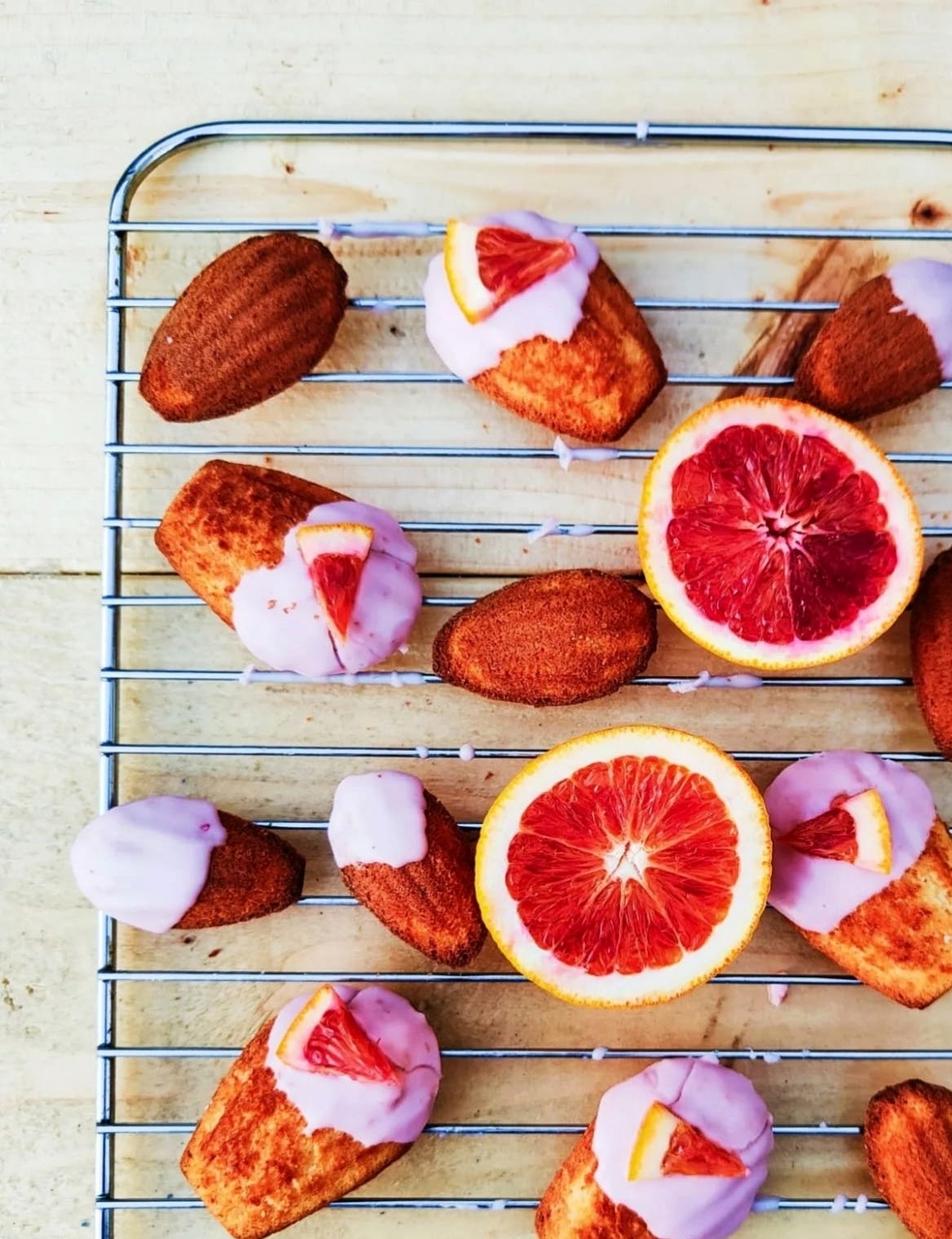
Over the years, the madeleine tin has been summoned from the cupboard again and again whenever a sweet offering is required. Friends and family have come to expect the little cakes from me. Nobody is particularly surprised when I appear bearing a plateful, yet they are almost always pleased.
Perhaps that is because madeleines occupy a curious culinary niche. They are not everyday cakes, and although they are extraordinarily simple to make - the tin performs most of the magic - they hint at the elaborate world of French patisserie and suggest, somewhat misleadingly, a level of technical wizardry that they do not in fact demand.
The tin itself remains a perfect emblem of the cookware splurge. It belongs to that peculiar category of kitchen purchases which we acquire not because they are sensible, but because they promise some particular culinary dream: the architecturally impressive Bundt tin, the omelette pan of suspiciously precise proportions, the waffle iron that occupies half a cupboard shelf, and the ice-cream machine that hums heroically on the rare occasions it emerges from storage.
Anyone who loves food will recognise the temptation. I would wager that most of us have, at some ungodly hour of the night, found ourselves browsing such items online and imagining the dazzling dishes they might enable.
My advice, for what it is worth, is simple: surrender to the impulse.
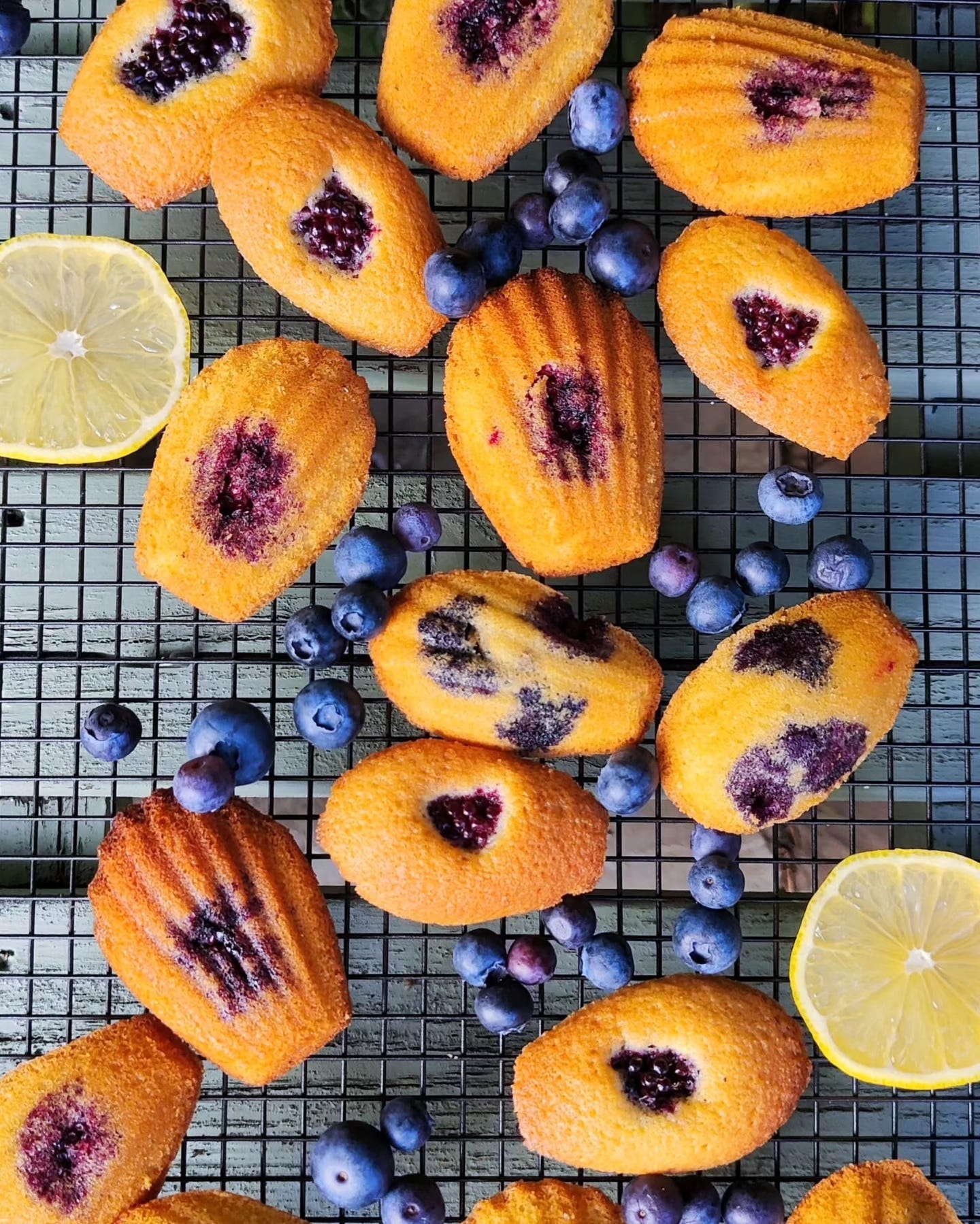
When I first bought that madeleine tin, I half suspected it would languish unused, a monument to student pretension and poor spatial planning. Yet instead, it has become one of the most frequently deployed tools in my kitchen. The little cakes it produces have accompanied birthdays, dinners, and impromptu gatherings. They have been flavoured with citrus, herbs, spices, and occasionally nothing more than vanilla and butter.
And so the tin now occupies a small but secure place in the cupboard, ready to be brought out whenever a festive occasion, or indeed a simple afternoon tea, calls for something sweet.
Cookware splurges can appear faintly ridiculous. They may be awkward to store, irritating to clean, and unnecessary in the strictest sense of the word. Yet every now and then, they prove their worth with quiet persistence.
Mine, I think it is fair to say, was £25 very well spent.
FOODIE QUOTE OF THE DAY:
‘‘No sooner had the warm liquid mixed with the crumbs touched my palate than a shudder ran through me and I stopped, intent upon the extraordinary thing that was happening to me.’’
- Marcel Proust, from Remembrance of Things Past (1913)
What's the most impractical, most superfluous, most FUN, piece of cookware you own? I want to hear all about them!
I'm with you on the stand mixer, I have told myself for years I will get one. I think I have grand ideas of making brioche effortlessly 😂 but I just know it won't get used all that often if I do purchase one!